
Wildlife of the Falkland Islands
When Charles Darwin landed in the Falklands in 1833, the strangest animal he met walked right up to him. The warrah, a tawny, fox-like wolf, was the only land mammal the islands had ever known, and it had no fear of people at all. Darwin watched the settlers and gauchos kill the tame creatures almost casually, and he predicted it would vanish like the dodo "within a very few years." He was right. In 1876 the last warrah was shot on West Falkland, making it the first known canid to go extinct in recorded history. The islands it left behind are treeless, scoured by wind, and astonishingly alive.
A Land Without Trees
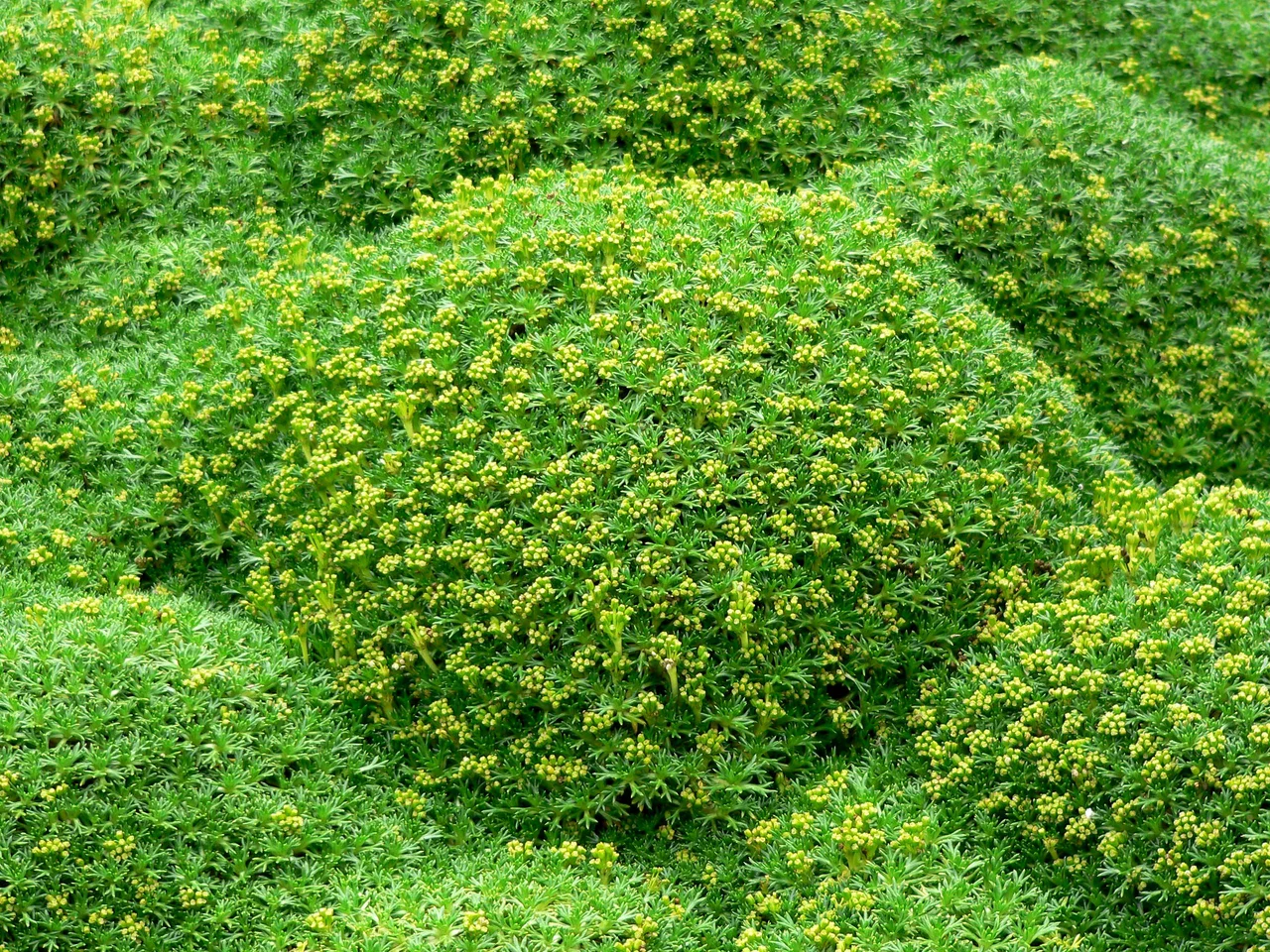
No trees grow naturally in the Falklands. The wind sees to that, sweeping in off the South Atlantic with nothing to break it for a thousand miles. In their place the land wears grass and low shrub: pale whitegrass across the rolling interior, dense tussac on the coasts, springy diddle-dee heath, and on the most exposed ridges, cushion plants and lichen clinging to bare rock. More than 400 kinds of lichen alone have been catalogued here. The few stands of trees that do exist were planted by hand. At Hill Cove a small forest was established in the 1880s, and outside Stanley a memorial wood holds 255 trees, one for each British serviceman killed retaking the islands in 1982.
The Vanished Wolf
For generations, no one could explain how a wolf came to live on islands 300 miles from the mainland with no other mammals for company. The old story held that Patagonian hunters had carried it across as a hunting dog. Then in 2009 geneticists at UCLA found the truth was stranger and older: the warrah had reached the Falklands long before any human set foot in the Americas, probably padding across a narrow ice bridge during an ice age when sea levels fell. Its closest living relative is the maned wolf, the leggy, fox-faced canid of the South American grasslands. It survived alone for thousands of years, and then a few decades of settlers undid it entirely.
Half a Million Wings
What the Falklands lack in mammals they repay in birds. Some 227 species have been recorded, and roughly 494,500 pairs breed across the archipelago, including around 500 pairs of stately king penguins. Two birds live nowhere else on Earth: the Falkland steamer duck, a heavy flightless bird that thrashes across the water like a paddle steamer, and the small, secretive Cobb's wren. Overhead patrols the striated caracara, known locally as the "Johnny rook," one of the rarest birds of prey in the world and clever enough to solve puzzles that stump most animals, famous for stealing hats and unzipping the bags of unwary visitors. Tussac grass shelters much of this life, its dense leaves making warm pockets where birds and insects ride out the gales.
The Recovering Sea
The water is the real engine of the place. Elephant seals, fur seals and sea lions all breed ashore, with the largest elephant seal rookery holding more than 500 animals. The whales are coming back. For decades Soviet fleets hunted them illegally in these waters, well into the 1970s, gutting populations of the largest creatures ever to live. Now southern right whales, humpbacks, blue, fin, sei and sperm whales are returning to feed and pass through on migration. Even the islands' freshwater tells a story of loss and persistence: the native zebra trout, an oddball fish unrelated to true trout, has been driven by introduced brown trout into a few remote streams of West Falkland, holding on at the edge of its own home.
From the Air
The Falkland Islands sit at roughly 51.5 degrees south, 60 degrees west, an archipelago of two large islands, East and West Falkland, and more than 700 smaller ones, lying about 400 miles off the Patagonian coast in the South Atlantic. From the air the islands read as treeless, tawny and deeply indented, fringed with kelp beds and white-sand coves; the largest seabird and penguin colonies cluster on the smaller offshore islands. The main airfields are RAF Mount Pleasant (ICAO EGYP), the islands' international gateway on East Falkland, and Port Stanley Airport (ICAO SFAL) near the capital; many outlying islands are served only by grass strips and the inter-island Islander air service. Expect persistent strong wind and rapidly shifting visibility. The austral summer, October through March, brings the longest days and the fullest colonies. For wildlife viewing, fly low and slow along the coasts and over offshore islands rather than the empty interior.
Nearby Stories
- Pebble Island raid 11 km away
- Falkland Islands sovereignty dispute 20 km away
- Jason Islands 30 km away
- New Island 36 km away
- HMS Coventry (D118) 51 km away
- Sea Lion Island 79 km away
- HMS Sheffield (D80) 264 km away
- Sinking of ARA General Belgrano 397 km away