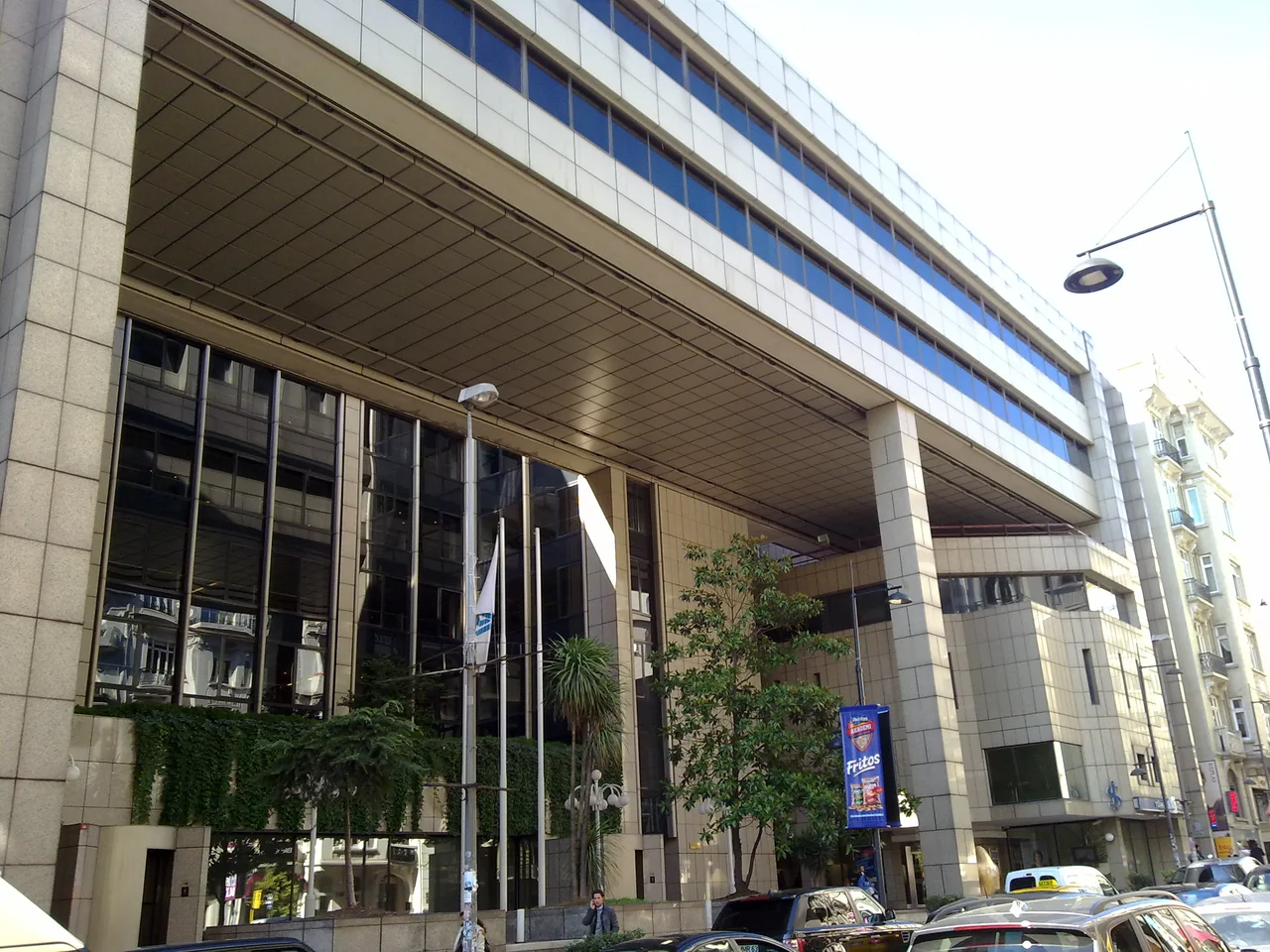

Teşvikiye
The name Teşvikiye comes from a Turkish word meaning "encouragement" or "incentive" — a name that was given in the 19th century when the Ottoman government was actively trying to develop this part of the city, drawing residents to a new neighborhood north of the old Beyoğlu quarter. The encouragement worked. Teşvikiye grew into one of Istanbul's most refined addresses, a place of wide streets, ornate apartment facades, and a social life that has always taken its cues from European fashions while remaining unmistakably its own.
The Nişantaşı Quarter
Teşvikiye is one of four neighborhoods — along with Maçka, Osmanbey, and Pangaltı — that together make up the Nişantaşı quarter of Şişli. The name Nişantaşı itself refers to an archery stone: the area was once an archery range used by Ottoman sultans, and two of these target stones still stand in the courtyard of the Teşvikiye Mosque. The quarter became fashionable in the late 19th and early 20th centuries, drawing the prosperous middle class and Istanbul's Westernized elites to the wide streets and well-built apartment buildings that developers were raising on what had been open land. By the early 20th century, Nişantaşı was firmly established as the neighborhood where Istanbul's prosperous professional class chose to live, a reputation it has maintained ever since.
Art Nouveau in Stone and Plaster
Between roughly 1900 and 1920, a wave of apartment construction gave Teşvikiye much of its architectural character. Developers built in the Art Nouveau style then fashionable across Europe — curved lines, floral ornaments, elaborate ironwork balconies, and facades that treated the apartment building as an object of beauty rather than mere shelter. Many of these buildings survive, anchoring the neighborhood's visual identity even as street-level retail has turned over many times. Walking through Teşvikiye today, you can look up from the boutiques and cafes and find yourself looking at the ironwork of 1910, or a plaster garland that has weathered a century of Istanbul winters. The apartment buildings are the neighborhood's memory, holding it in place even as the uses of the ground floor have changed completely.
A Neighborhood at Its Center
The Teşvikiye Mosque anchors the neighborhood's geography and rhythms. Commissioned originally in 1794 and rebuilt in its current form in 1854 during the reign of Sultan Abdülmecid I, the mosque's neo-baroque facade and oversized white columns mark the intersection that gives the neighborhood its name. Around it, the street life of Teşvikiye flows — the cafes, the galleries, the fashion boutiques that have made Nişantaşı Istanbul's address for the kind of shopping that requires both taste and budget. The call to prayer sounds five times daily over this commerce, a reminder that the mosque long predates anything else on the street. With a population of around 11,274 residents as of 2022, Teşvikiye is not large, but its density and its position within the larger Nişantaşı quarter give it an outsized presence in the city's social imagination.
Culture and Daily Life
Teşvikiye has always been a neighborhood where art and daily life overlap in the way that distinguishes certain urban places. Artwork exhibitions share streets with patisseries; creative fashion houses operate around the corner from the kind of grocery that stocks imported cheeses. Orhan Pamuk, whose Nobel Prize-winning novels are soaked in the atmosphere of this part of Istanbul, grew up nearby and has written about the Nişantaşı quarter with a specificity that turns it into literary territory. His novels make the intersection of memory and street-level Istanbul visible in ways that no guidebook can. Readers come to Nişantaşı partly to see what Pamuk saw, and find a neighborhood that still rewards that kind of attention — one where the present is layered over a past that has not entirely receded.
The Shape of an Elegant Life
What Teşvikiye offers, in the end, is a particular kind of Istanbul experience: the city at its most cultivated and European-facing, without having lost its own character in the process. The Art Nouveau buildings give the streets a visual coherence that more recently developed parts of Istanbul lack. The mosque provides a center of gravity that is neither tourist spectacle nor invisible utility, but genuinely used, genuinely present. The cafes and boutiques cater to a global imagination while serving a local clientele that has lived in these apartments for generations. It is a neighborhood where the 19th century and the 21st coexist with relatively little friction — and where the encouragement the name promised, two hundred years ago, has resulted in something that still feels like a place worth being.
From the Air
Teşvikiye sits at approximately 41.0486°N, 28.9944°E in the Şişli district of Istanbul's European side, roughly 1.5 km north of Taksim Square. The neighborhood is part of the Nişantaşı quarter, visible from low altitude as a regularly planned residential grid north of the Taksim plateau. The Teşvikiye Mosque's minarets are identifiable within the neighborhood. The nearest major airport is Istanbul Airport (LTFM), approximately 38 km northwest. Recommended viewing altitude: 1,500–2,500 feet for the neighborhood street layout and its relationship to Taksim and the Bosphorus.
Nearby Stories
- Kocaeli Peninsula 7.6 km away
- Second Battle of Çatalca 11 km away
- Istanbul's Rural Outskirts 14 km away
- MV Struma 20 km away
- HMAS AE2 36 km away
- Bursa 66 km away
- Sangarius Bridge 71 km away
- Januarius MacGahan 101 km away