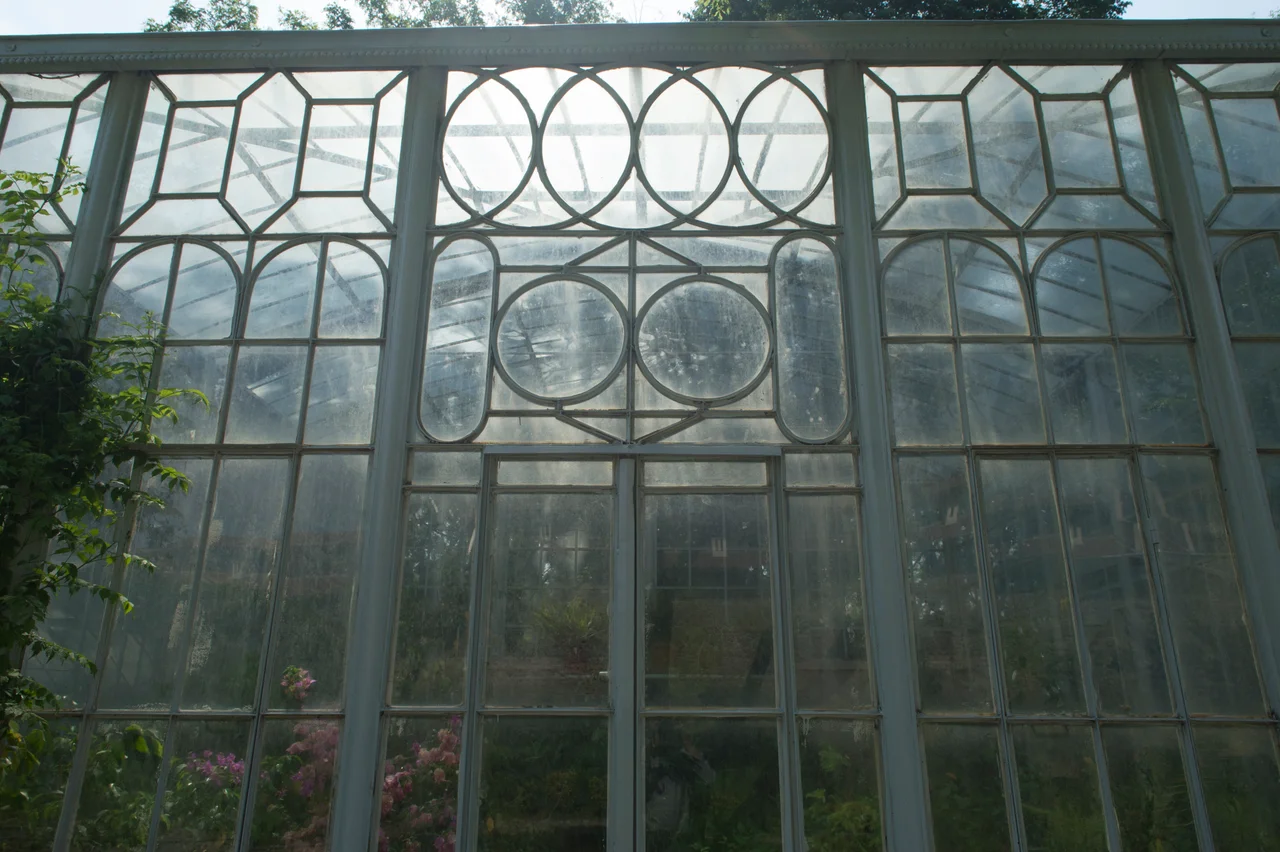

Yıldız Park
For decades this hillside belonged to one man. High walls surrounded it. Guards patrolled its perimeter. The trees grew in unobserved silence, the artificial lakes reflected no faces but those of courtiers, and the rare plants imported from across the empire bloomed without an audience. Then the Ottoman Empire ended, the walls came down, and Istanbul discovered what the sultan had been keeping to himself all along: one of the most beautiful green spaces in the city.
From Hunting Ground to Imperial Garden
The history of this hillside reaches back beyond the Ottomans to the forests of Byzantine-era Constantinople. When Suleiman the Magnificent brought the area into the imperial domain, it became hunting grounds — the kind of forested retreat that rulers across history have reserved for themselves. For centuries the slope remained a wooded backdrop to the seaside palaces below it on the Bosphorus. The eighteenth century brought the first built structure: the Yıldız Kasrı pavilion, commissioned by Selim III around 1800 for his mother, Mihrişah Sultan, and from which the entire neighbourhood eventually took its name. But the hillside only became the enclosed, elaborated park it is today during the long reign of Sultan Abdülhamid II, who walled off 25 acres of the palace's external garden, installed pavilions and summer houses, dug a small artificial lake, and planted the exotic botanical collection that still shades the paths today. During his rule, no ordinary subject set foot here.
What the Walls Enclosed
Inside the old palace boundaries, the park reveals itself in layers. The outer section — now fully public — contains three of the most distinctive structures on the hillside: the Şale Pavilion, whose chalet-inspired exterior belies the mother-of-pearl splendors within; the Çadır Pavilion, once used as a prison by Sultan Abdülaziz and now housing a café; and the Malta Pavilion, built from limestone quarried in Malta and famous as the site where the reforming statesman Midhat Pasha was tried in a tent pitched behind the building. Both the Çadır and Malta pavilions serve coffee and tea to visitors today — the transformation from prison and trial venue to café terrace being, perhaps, the most Istanbul thing imaginable. The still-operating Yıldız Porcelain Factory, which opened in 1895, adds an industrial hum to the garden atmosphere; its wares — bowls, vases, plates depicting Bosphorus scenes — were once luxury goods for the Ottoman upper classes.
The Trees the Sultan Planted
Abdülhamid II filled the park with botanical ambition. The collection he assembled drew specimens from across the empire and beyond: magnolia and bay laurel, Judas trees that erupt in vivid pink-purple blossom each spring, silver limes and horse chestnuts. Oak and cypress provide the deeper shade; pine, yew, cedar, and ash fill in the canopy. The result is a park that feels genuinely sylvan — not a manicured pleasure garden but a real forest where the city's noise drops away as you climb. Two man-made lakes catch light between the trees. On weekends, Istanbul families spread picnic blankets on the slopes, children run between the pavilions, and the contrast with the city pressing in below is striking enough to feel deliberate. Abdülhamid II was famously suspicious and reclusive, but he had excellent taste in trees.
The View That Made It Worth Keeping
The park's most democratic gift is the view it offers. The Bosphorus opens below the hillside in a sweep of blue-grey water that on clear days extends toward the Sea of Marmara to the south and the Black Sea to the north. Tankers and ferries crossing between Asia and Europe look small against that expanse. The Çırağan Palace — Yıldız's waterfront counterpart, now a luxury hotel — sits at the base of the slope, connected by a bridge through the park. From the upper paths, the two shores of the strait are visible simultaneously, the European and Asian halves of the city laid out across the water. Suleiman the Magnificent chose this hillside for hunting. Abdülhamid II chose it for security. Istanbul's residents have reclaimed it for something simpler: the pleasure of being high above a beautiful city on a clear afternoon.
From the Air
Yıldız Park sits at approximately 41.048°N, 29.016°E on the European shore of Istanbul, occupying the forested hillside above the Beşiktaş district between Yıldız Palace and the Çırağan Palace waterfront. From the air, the park reads as a dense green wedge on the Bosphorus hillside, clearly distinguishable from the surrounding urban fabric. Istanbul Airport (LTFM) lies roughly 35 km to the northwest. A viewing altitude of 2,000–4,000 feet on the European approach reveals the park's relationship to both the waterfront and the palace complex above it.
Nearby Stories
- Kocaeli Peninsula 7.6 km away
- Second Battle of Çatalca 11 km away
- Istanbul's Rural Outskirts 14 km away
- MV Struma 20 km away
- HMAS AE2 36 km away
- Bursa 66 km away
- Sangarius Bridge 71 km away
- Januarius MacGahan 101 km away